
Desiccant rotor vs condensing dehumidifier: which works below 40% RH?
Below about 45–50% RH only the desiccant rotor keeps working. A condensing machine hits a physical wall: it has to cool air to reach its dew point, and once the coil approaches freezing it ices instead of draining. The rotor adsorbs water directly, so it keeps removing moisture down to 1–10% RH and to dew points of −40 °C and lower, at the cost of higher energy per kilogram removed.
Why condensing plant stops at the 45% line
The coil has to be colder than the dew point
At 25 °C and 50% RH the dew point is around 14 °C. At 40% RH it is about 10 °C, and at 30% RH it is near 6 °C.
Ice forms
Once the fin surface approaches 0 °C, condensate freezes rather than draining, and the machine has to stop and defrost.
Capacity collapses
Defrost cycles eat into running time, so useful extraction drops even though the compressor is still drawing power.
Adsorption has no such floor
The rotor holds water by surface chemistry, so it keeps removing moisture regardless of how dry the air already is.
Reading the comparison honestly
The rotor wins the low-humidity argument and loses the energy argument. Published industry figures put condensing plant at roughly 0.5–1.5 kWh per kilogram of water removed and rotor plant at about 1.0–3.0 kWh, because regeneration heat dominates the rotor's consumption. That gap is the price of reaching a dew point a coil cannot touch.
Temperature changes the picture again. A condensing machine is most efficient warm and humid and degrades sharply below 15 °C. Desiccant performance is largely independent of ambient temperature, so in a cold store the comparison reverses: the rotor removes water steadily while the condensing unit defrosts.
What the rotor costs you
Higher running energy, an insulated regeneration exhaust duct, and tighter maintenance discipline on filters, seals and drive belts. The discharge air also leaves warmer, which helps in a cold room and hurts in a heat-sensitive one. If your target is 55% RH at 20 °C or above, a condensing unit remains the cheaper, simpler answer.
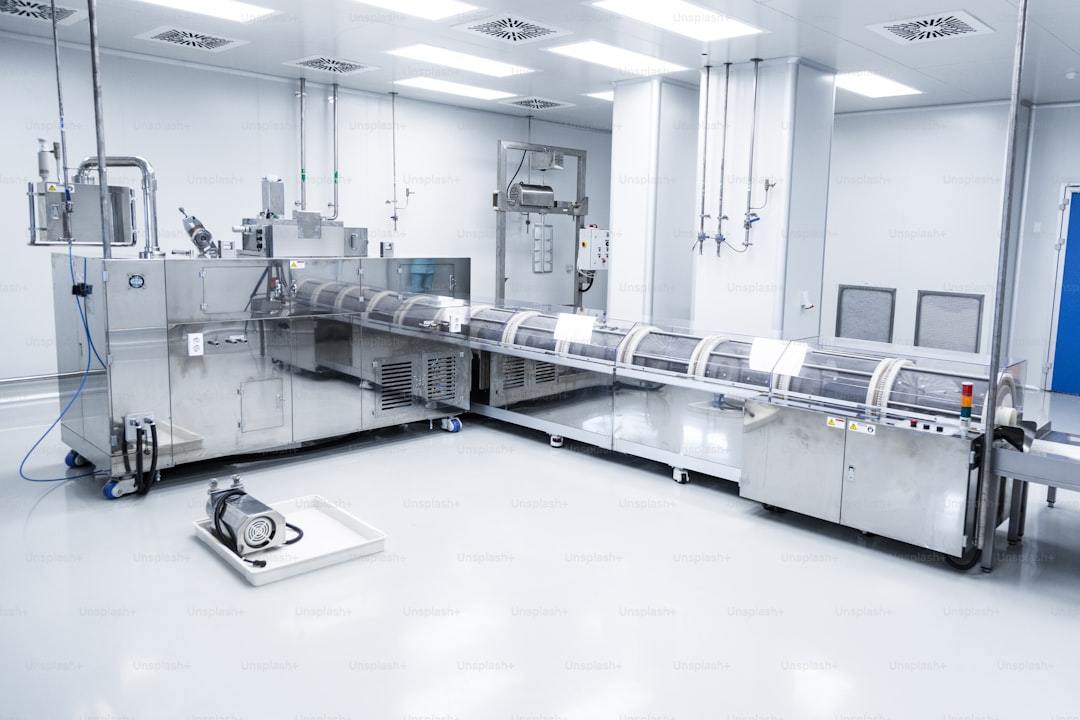
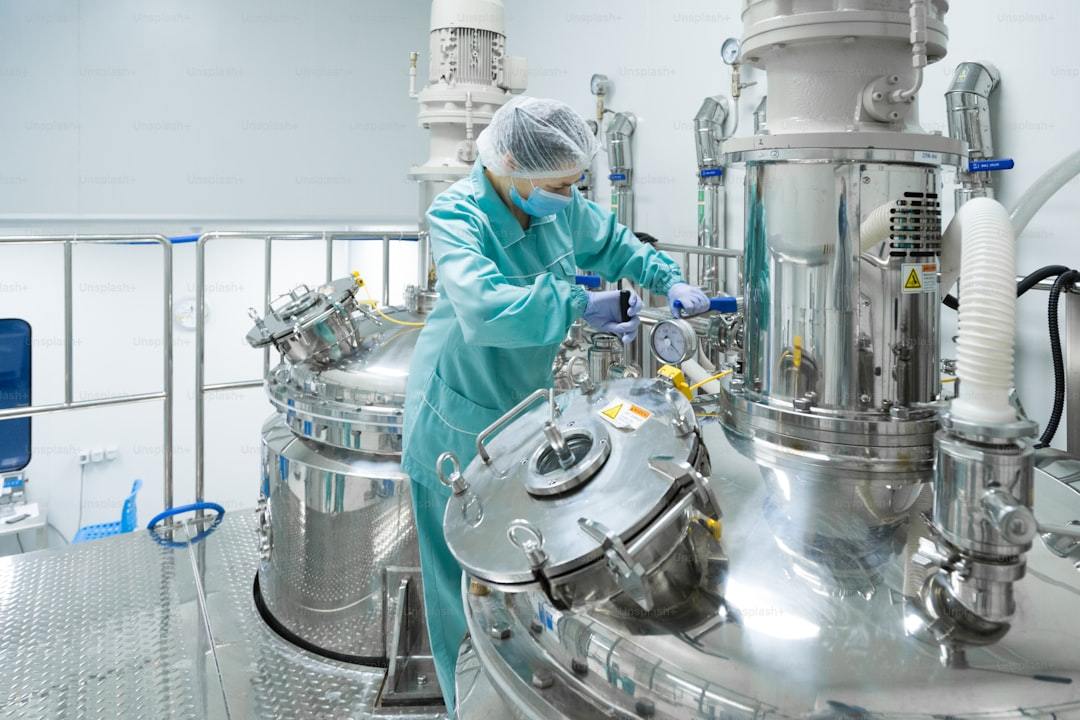
Representative project configuration
A buffer store ahead of cell assembly was holding 38–45% RH with condensing units running almost continuously, and electrode stock was still picking up moisture during the hold.
The rotor was chosen because the target was unreachable, not because it was cheaper to run. Heat recovery on the regeneration exhaust recovered part of the penalty. Energy figures are configuration-based and vary with inlet condition.
Decision data
| Metric | Condensing | Desiccant rotor |
|---|---|---|
| Works below 45–50% RH | No | Yes |
| Practical RH floor | About 45–50% RH | 1–10% RH |
| Energy per kg removed | 0.5–1.5 kWh | 1.0–3.0 kWh |
| Performance at 5 °C | Poor, icing and defrost | Essentially unchanged |
| Lowest useful dew point | About +5 °C | −40 °C, staged to −70 °C |
| Control tolerance | Cycling, wider band | About ±2% RH |
| Capital cost | Lower | Higher |
| Exhaust needs | Drain only | Insulated regeneration duct |
Decision rule: if the target is above 50% RH and the space is warmer than 15 °C, condensing plant is the right answer. Below 45% RH, or below 5 °C, or with a dew-point specification, specify a rotor. East Dehumidifier runs both technologies and will say which one your duty point requires.
Related questions
Need a defensible technology choice?
Send target RH or dew point, operating temperature and moisture load. East Dehumidifier will state which technology meets it, with the energy consequence.